
Blog
Ivermectin Dosage Explained: 3mg, 6mg & 12mg Tablets
Medical Disclaimer
This article is for educational purposes only. Cogenerics supplies licensed generic medicines but does not provide medical advice, diagnosis, or prescriptions. Ivermectin dosage for humans must always be determined by a qualified healthcare professional based on medical need, body weight, and approved use. Never self-medicate or adjust ivermectin dosage without professional guidance.
Ivermectin Tablet Strengths: 3mg, 6mg, and 12mg Explained
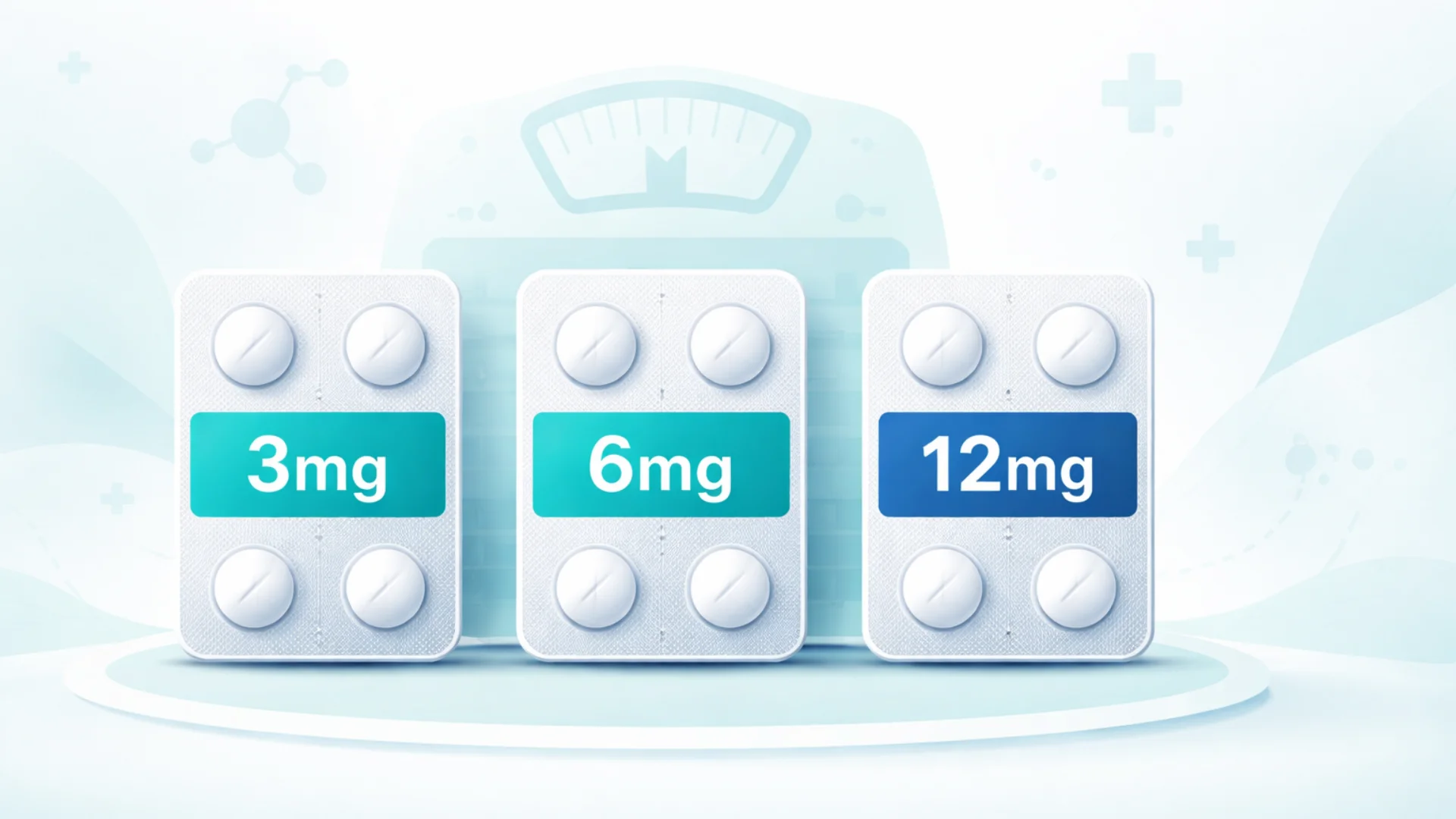
Ivermectin is manufactured in three primary tablet strengths to allow for flexibility across a range of patient needs
What Is Ivermectin and Why Dosage Matters
Ivermectin is a prescription-only antiparasitic medicine commonly used to treat specific parasitic infections in humans, including conditions like onchocerciasis (river blindness) and intestinal strongyloidiasis. It’s also used off-label in some regions for scabies or lice, depending on medical approval.
Unlike over-the-counter medications, ivermectin requires personalized dosing — usually calculated by body weight and the type of infection. Taking the wrong amount can result in treatment failure or unwanted side effects. This is why tablet strength, total dose, and professional supervision are crucial.
To view the different product options, visit the Ivermectin medicines page.
Ivermectin 3mg
The lowest strength, ideal for individuals with lower body weight or when minor dosage adjustments are necessary. Often used in pediatric or fractional dosing protocols under strict medical supervision.
Ivermectin 6mg
This mid-strength tablet is commonly prescribed for adults and fits a wide range of dosing plans. It offers balance between adjustability and convenience in pill count. → Ivermectin 6mg tablets
Ivermectin 12mg
The highest standard dose, often used when treating higher-weight patients or when a larger dose is required in a single administration for certain infections.
Why Tablet Strength Matters in Ivermectin Dosage
When it comes to ivermectin dosage, the strength of each tablet plays a crucial role in ensuring treatment is both effective and safe. Ivermectin is not prescribed in a “one-size-fits-all” fashion rather, it’s carefully dosed based on body weight and clinical need. Selecting the appropriate tablet strength helps healthcare providers administer the correct total dose with minimal margin for error.
Key Reasons Tablet Strength Matters:
- Fewer Tablets, Greater Convenience: For individuals who require higher doses, using 12mg tablets can significantly reduce the number of pills taken at once. This improves adherence to the treatment plan and minimizes the risk of confusion or dosing mistakes.
- More Precise Combinations: Lower-strength options like 3mg or 6mg tablets are helpful when a patient needs a non-standard dose. They allow the physician to fine-tune the ivermectin dosage by combining tablets to match the exact mg-per-kg requirement.
- Improved Clinical Accuracy: Matching the ivermectin dosage to the patient’s body weight ensures the medicine is neither under- nor over-delivered. Underdosing can lead to treatment failure, while overdosing increases the chance of side effects such as dizziness, nausea, or skin reactions.
Ultimately, the choice of tablet strength supports personalized ivermectin treatment — a key factor in achieving positive health outcomes without unnecessary risks. Always follow your provider’s instructions, and never substitute one strength for another without professional approval.
Weight-Based Ivermectin Dosage: How It Works
Dosage is typically calculated using the patient’s weight in kilograms, following medical formulas such as 0.15 mg/kg to 0.2 mg/kg, depending on the infection type.
Here’s a general reference table (for educational purposes only):
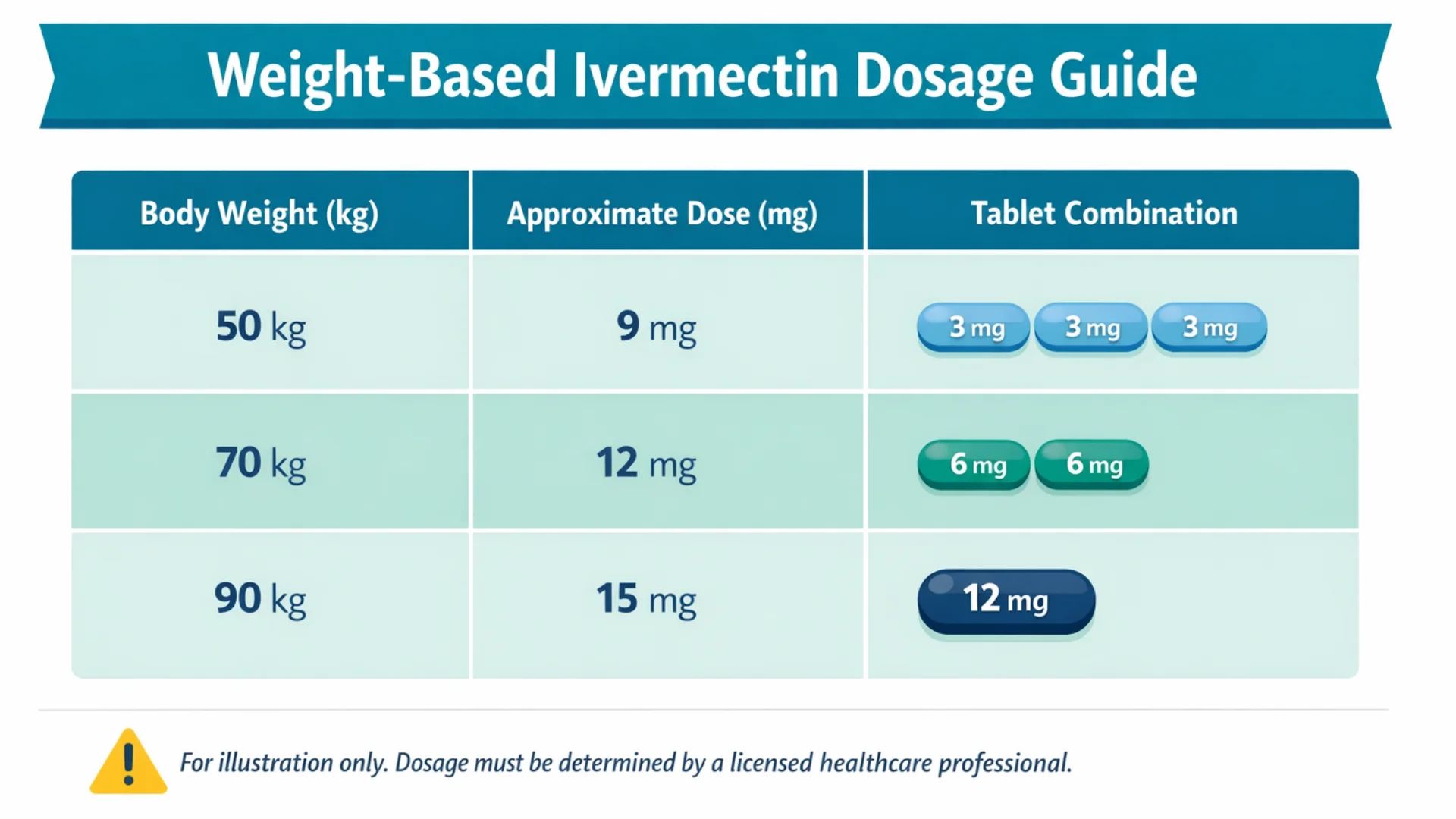
⚠️ This chart is for general understanding only. All dosing must be calculated and confirmed by a licensed healthcare provider.
Approved Medical Uses of Ivermectin
Ivermectin is recognized for its role in treating specific neglected tropical diseases, as endorsed by global authorities like the World Health Organization.
Approved or common medical uses include:
- Onchocerciasis (river blindness)
- Strongyloidiasis (intestinal infection)
- Scabies and lice infestations (in some countries)
- Other parasitic infections diagnosed by a doctor
It is not approved for viral infections or preventive use in general populations without official clinical guidance.
How to Take Ivermectin Safely
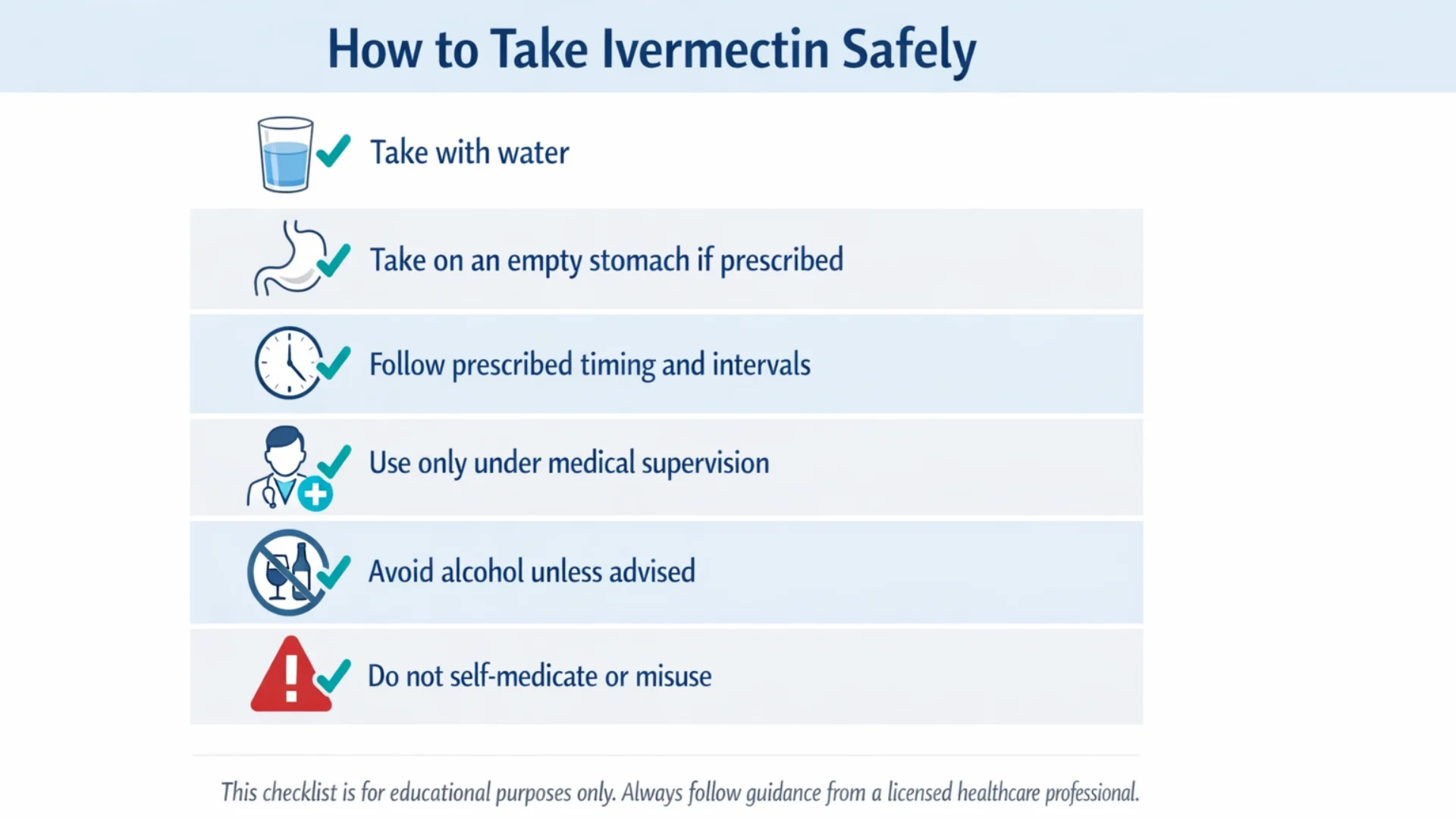
Correct administration is key to both efficacy and safety. Follow your doctor’s instructions closely. General best practices include:
- Take on an empty stomach (1 hour before or 2 hours after meals)
- Swallow whole with water — do not split or chew
- Avoid alcohol during treatment
- Stick strictly to the prescribed schedule and quantity
- Never repeat doses unless instructed by your provider
Consistency in following these directions reduces the risk of side effects and helps the medication work effectively.
Safety, Warnings & Misuse Prevention
Common Safety Risks from Misuse:
- Taking ivermectin without a diagnosis
- Using veterinary products or unauthorized sources
- Taking the wrong strength or quantity
- Repeating treatment without supervision
Such practices can result in:
- Gastrointestinal upset (nausea, diarrhea)
- Neurological effects (dizziness, confusion)
- Skin rashes or allergic reactions
- Rare but serious outcomes like neurotoxicity
👉 Do not self-medicate. Always work with a licensed provider. Cogenerics only supplies WHO-GMP certified generics, not FDA-approved medications.
Frequently Asked Questions
Is there a standard ivermectin dosage for humans?
No. Dosage varies by body weight, infection type, and treatment plan. A healthcare professional must determine the right amount.
Can ivermectin 12mg replace lower-strength tablets?
Only if the calculated dose matches the total requirement. Tablet substitution should only be done under medical supervision.
Can I self-medicate with ivermectin?
Absolutely not. Misuse can lead to serious health consequences. Always consult a licensed provider for diagnosis and dosing.
Conclusion & Next Steps
A clear understanding of ivermectin tablet strengths — including 3mg, 6mg, and 12mg — empowers you to have more informed conversations with your healthcare provider. While these strengths help explain how ivermectin dosage is typically calculated, it’s important to remember that only a qualified medical professional can determine the correct dosage for your individual needs.
Every person’s body weight, health condition, and treatment goals are different. That’s why ivermectin dosage should never be estimated or guessed — and why tablet strength selection should align precisely with your provider’s guidance.
If you’re exploring treatment options or simply want to learn more about how this medicine works in real-world clinical settings, here are your next steps:
- 📘 Explore Ivermectin medicines to understand available products and formulations.
- 🔍 Learn how Cogenerics works — from ordering to secure delivery and product verification.
- ❓ Visit our frequently asked questions for clarity on safety, usage, shipping, and more.
⚠️ Important Reminder: Consult your doctor before taking any medication. Do not self-medicate. Always work with a licensed provider who can guide you based on medical expertise and your unique health profile.
Understanding the details is valuable — but when it comes to medication, safety begins with professional supervision.
 Erectile Dysfunction
 Hormone Therapy
 Infectious Diseases
 Pain & Nerve Relief